World Cup FIFA Legends Panel
Photography by: Gabriel Bayona Sapag
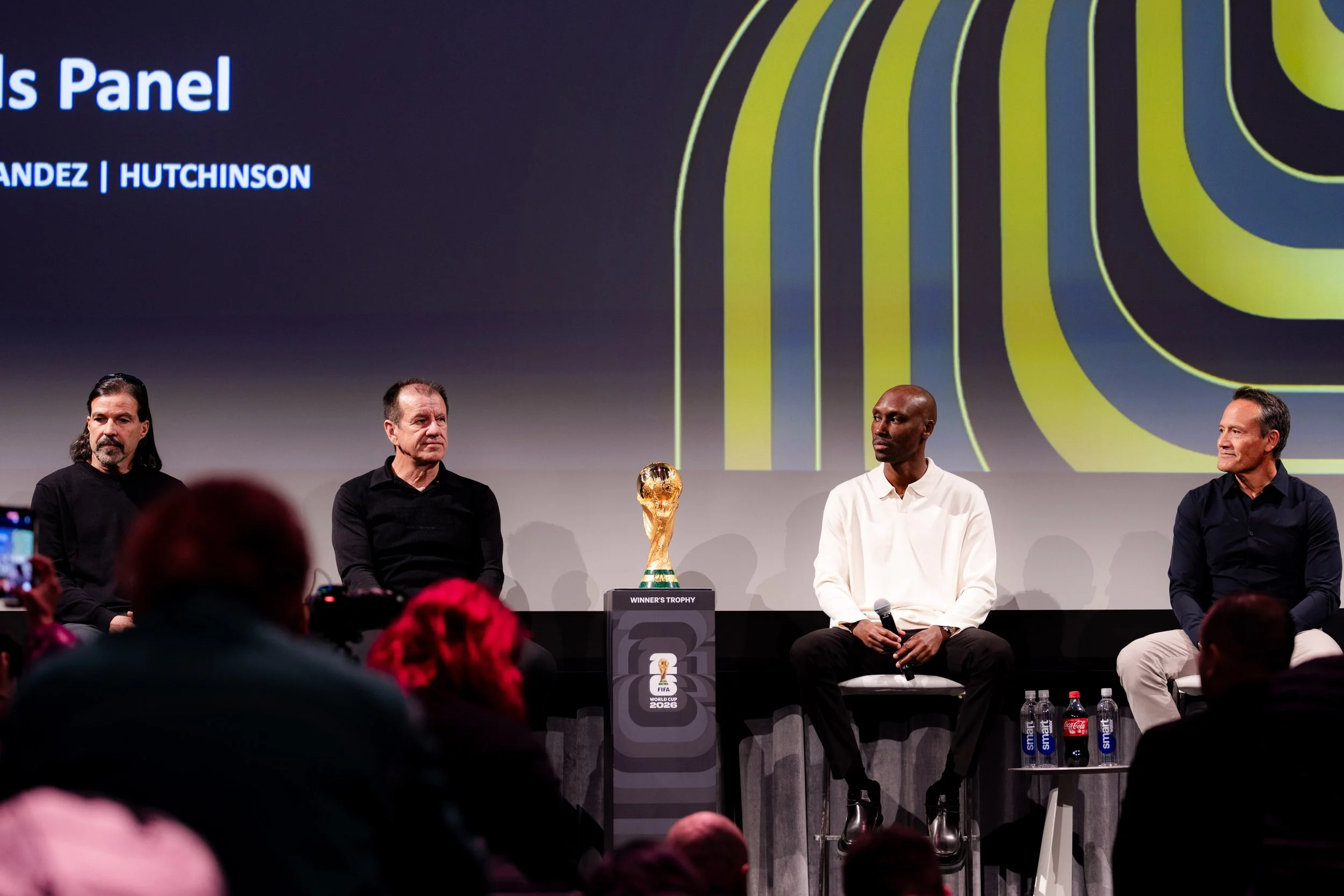
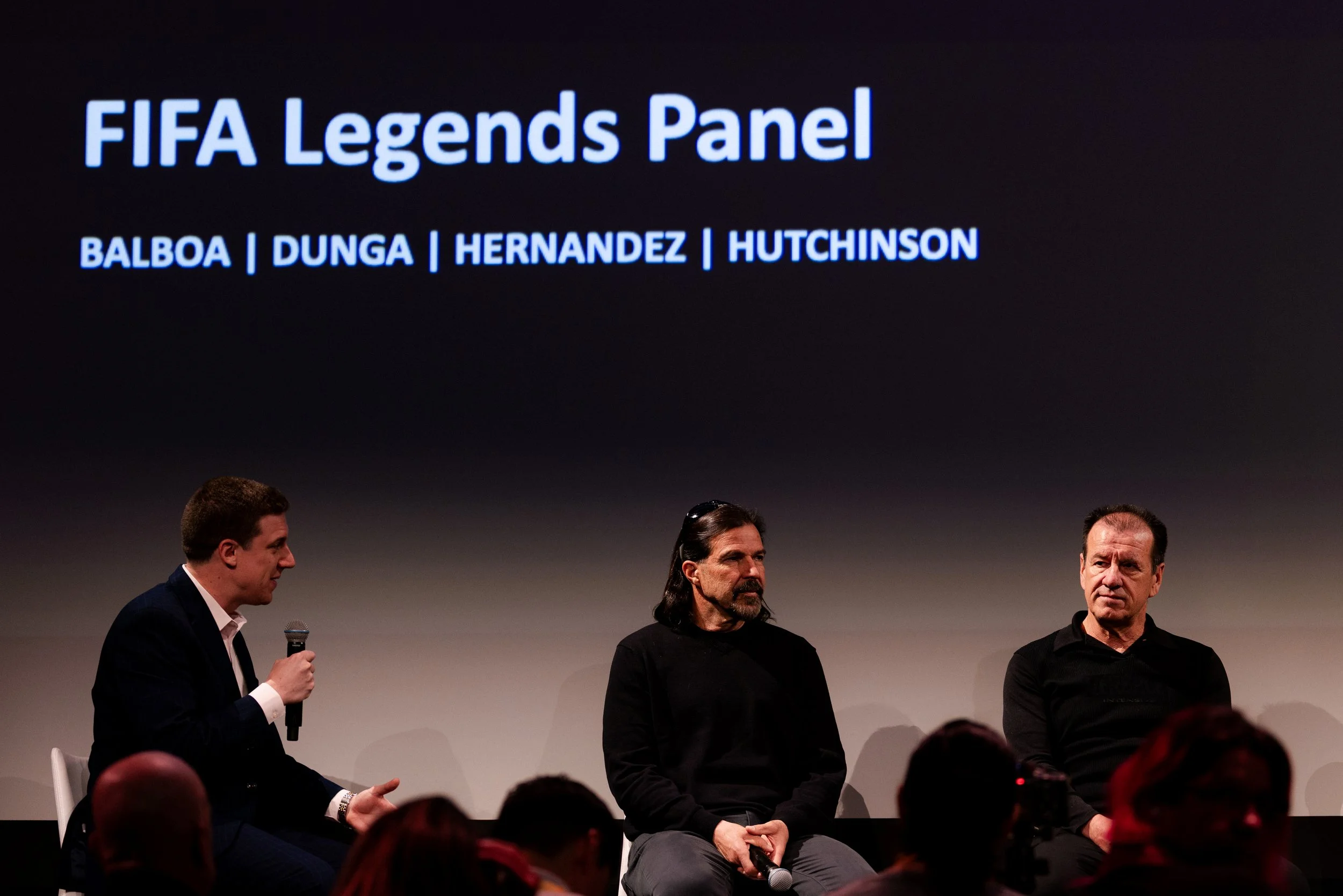
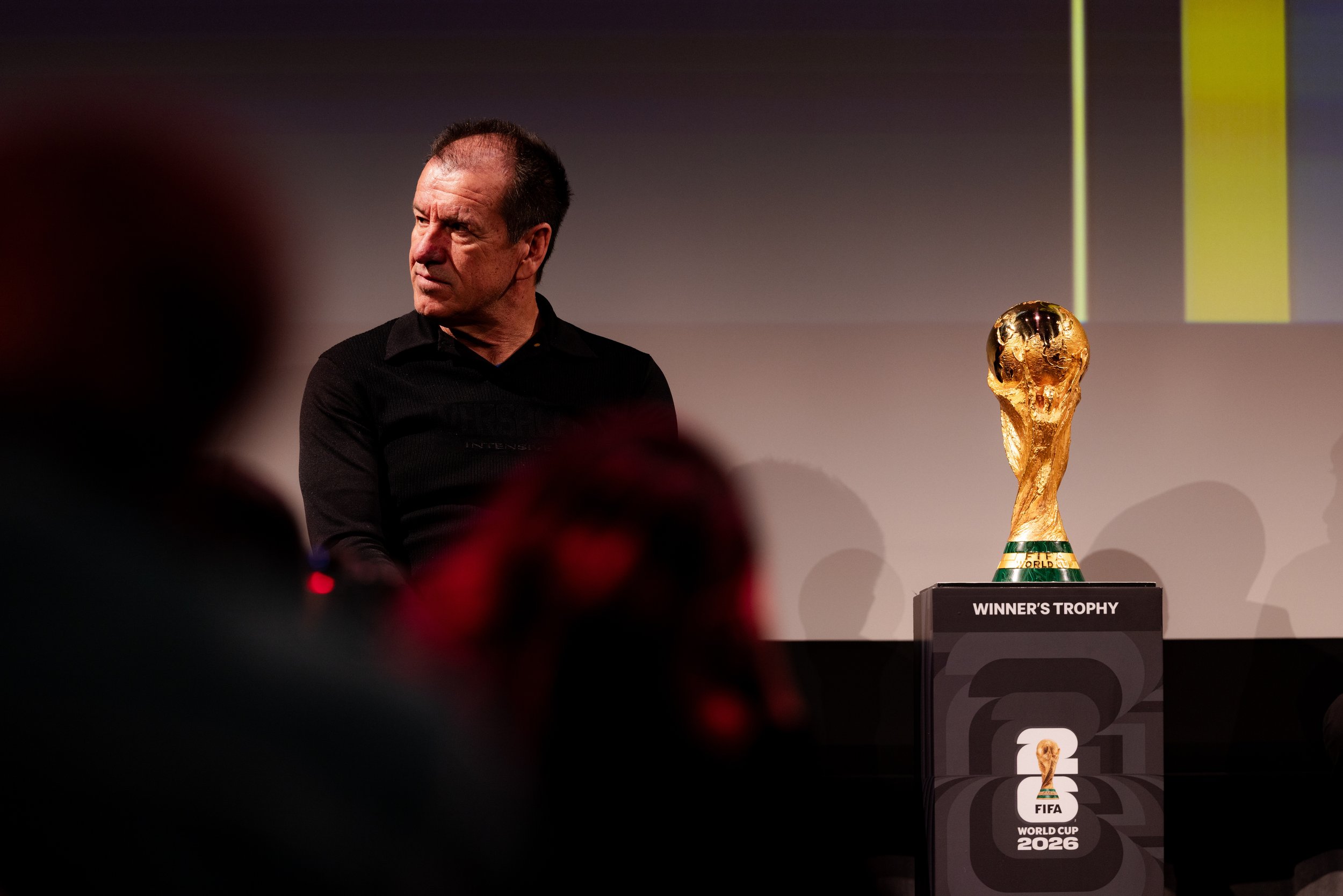
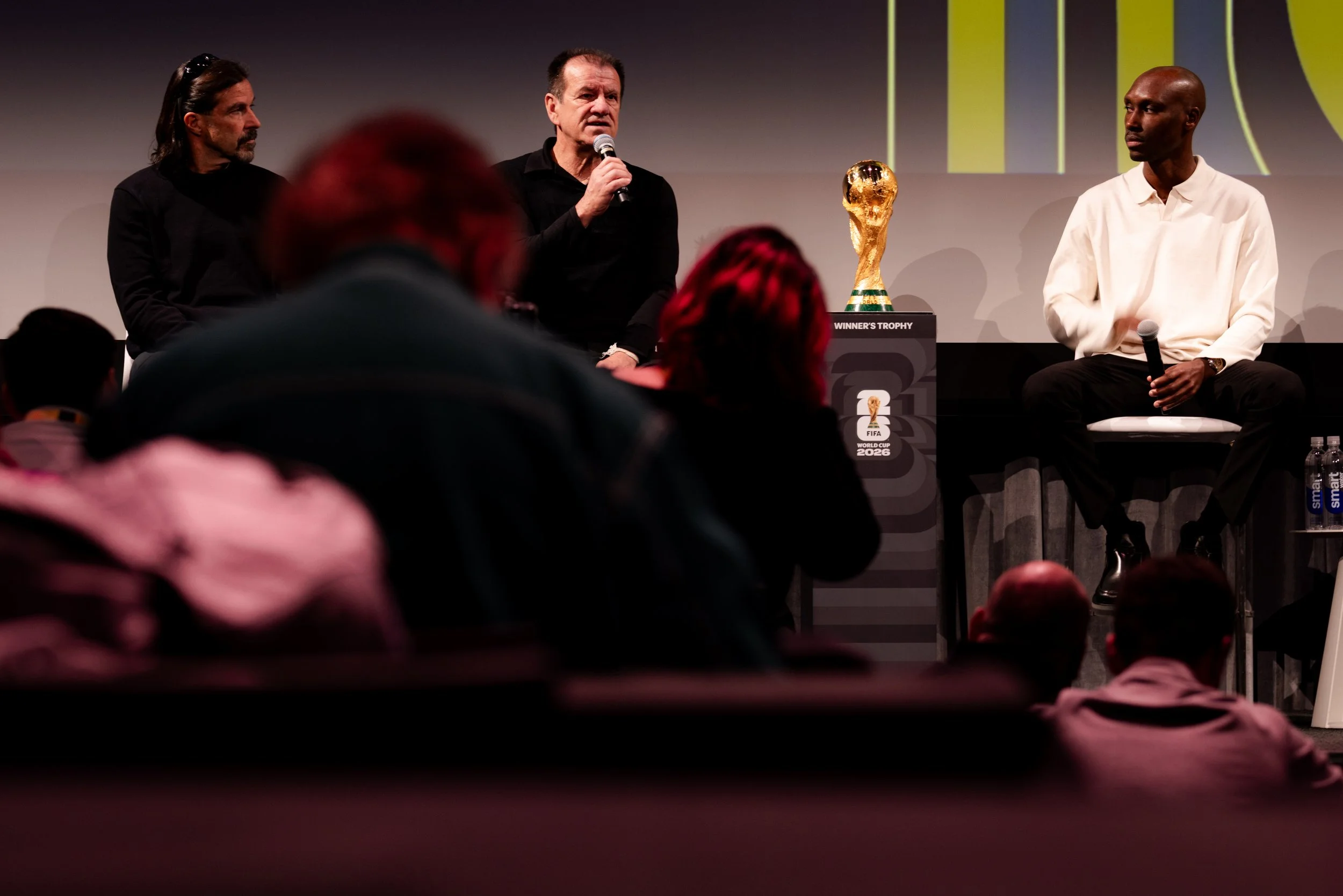
On Wednesday afternoon at the FIFA-organized panel held in Washington, D.C., four storied figures from the game gathered to look back — and look forward. Dunga (Brazil, 1994 World Cup captain), Marcelo Balboa (USA), Atiba Hutchinson (Canada), and Luis Hernández (Mexico) sat together at the John F. Kennedy Center, shared memories of past tournaments and expressed excitement for the upcoming 2026 edition — the first to include 48 nations and 104 matches across three host countries.
Looking Back: Moments That Shaped Careers
Dunga — the man who lifted the World Cup in 1994 — didn’t shy away from revisiting the intensity of that summer’s US-hosted tournament. Reflecting on Brazil’s Round of 16 match against the United States, he said through a translator: “That was probably the hardest game that Brazil played during that World Cup.” The memory, he said, still resonates — especially with soccer returning to American soil for 2026.
Balboa added context for how far the U.S. game has come: “You dream about it, you breathe it ... to play the best team in the world, and you hang in there … we were going to fight until the 110th minute.” Their shared recollections — about pressure, unexpected tests, underdog spirit — set the tone for a conversation steeped in respect for the past and hope for what’s ahead.
2026: Bigger Stage, Bigger Dreams
Turning to the future, the legends embraced the scale of 2026 — not just in numbers, but opportunity. Dunga described the expansion to 48 teams as “something wonderful,” especially for nations that have never had a chance to reach the World Cup: a dream now within reach.
Hernández leaned into national pride as well: he predicted unforgettable scenes across Mexico’s three host cities. “In Mexico, CDMX, Guadalajara and Monterrey, we will live a great festival — we have music, gastronomy, and the passion that football gives,” he said, envisioning a celebration of culture and community.
Hutchinson and Balboa — representing countries where soccer is still growing — voiced optimism for their national teams’ prospects. The expansion, they argued, could open the door for wider competition, underdog storylines, and once-in-a-lifetime opportunities for players from nations outside the traditional powerhouses.

Tone, Expectations, and the Weight of the Moment
What resonated most was the humility and grounded optimism from all four. Despite differing careers, generations, and geographies, they shared a common thread: for them, the World Cup always meant more than trophies. It meant representing nations, inspiring future players, and uniting fans worldwide.
As the sun set over Washington, the legends concluded with a collective hope: that 2026 will not just be the biggest World Cup ever — but one that lives up to what soccer is always meant to be: a moment to bring the world together.
With their voices echoing hope, respect and anticipation, it’s clear: the legacy of the past matters — but the promise of what’s coming soon may matter even more.