World Cup FIFA Refereeing & Innovation Panel

Photography by: Gabriel Bayona Sapag
As the 2026 FIFA World Cup approaches, FIFA officials and legendary figures in soccer are already envisioning a tournament unlike any before. With 48 nations competing across the United States, Canada, and Mexico, the first World Cup of this scale promises more games, more fans, and the potential to inspire a new generation of players worldwide.
Speaking at today’s panel discussion, FIFA chief global officer Arsène Wenger emphasized that the expansion reflects the natural evolution of the competition. “The evolution is always more teams want to participate,” Wenger said. “The difference quality-wise has been reduced. Education is correlated with success… every qualifier has earned their place.” Wenger and others acknowledge concerns over potential mismatches, noting debutants like Curacao, Uzbekistan, and Cape Verde face a steep challenge. Yet he insists these nations are benefitting from unprecedented investment in coaching, infrastructure, and player development.

FIFA chief football officer Jill Ellis echoed this optimism, highlighting the World Cup’s broader legacy. “The power of the World Cup is that you have the outside world watching, but what does it do to the local fan? What does it do to people who have never seen the game before?” she asked. “It draws attention and creates the next generation. That’s the most important part of the legacy.”
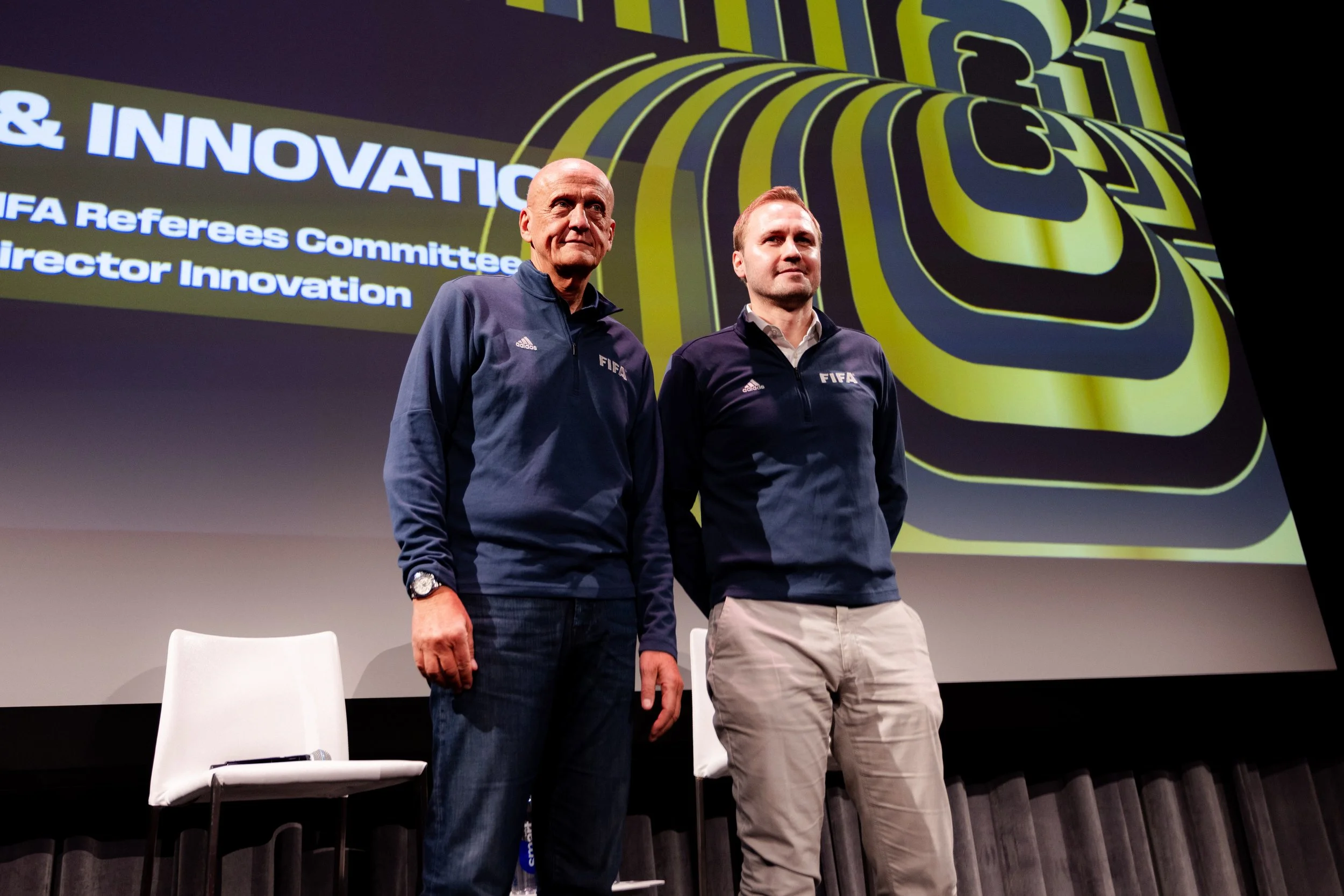
Innovation on and off the pitch is also a key focus. Legendary referee Pierluigi Collina reflected on how technology has transformed officiating since his playing days. “We are surrounded by technology. The first time I heard the conversation between assistant referees at the World Cup in Russia, I was shocked,” he said, praising the tools now available to improve the accuracy and flow of matches. FIFA innovation lead Johannes Holzmüller explained that new systems, like semi-automated offside tracking and referee cams, are tested meticulously before rollout, often taking one to two years to gain full confidence. Plans are underway to incorporate these technologies for 2026, pending approval from the lawmakers.

The expanded World Cup is not just about numbers; it’s about opportunity. Wenger hopes the tournament can see its first champion from outside Europe or South America. “We want to see an African team. An Asian team. CONCACAF. It’s open to everybody—it’s just down to quality,” he said.
From historic upsets to new innovations, the 2026 World Cup is shaping up to honor soccer’s past while boldly expanding its future.